
Background & Mission
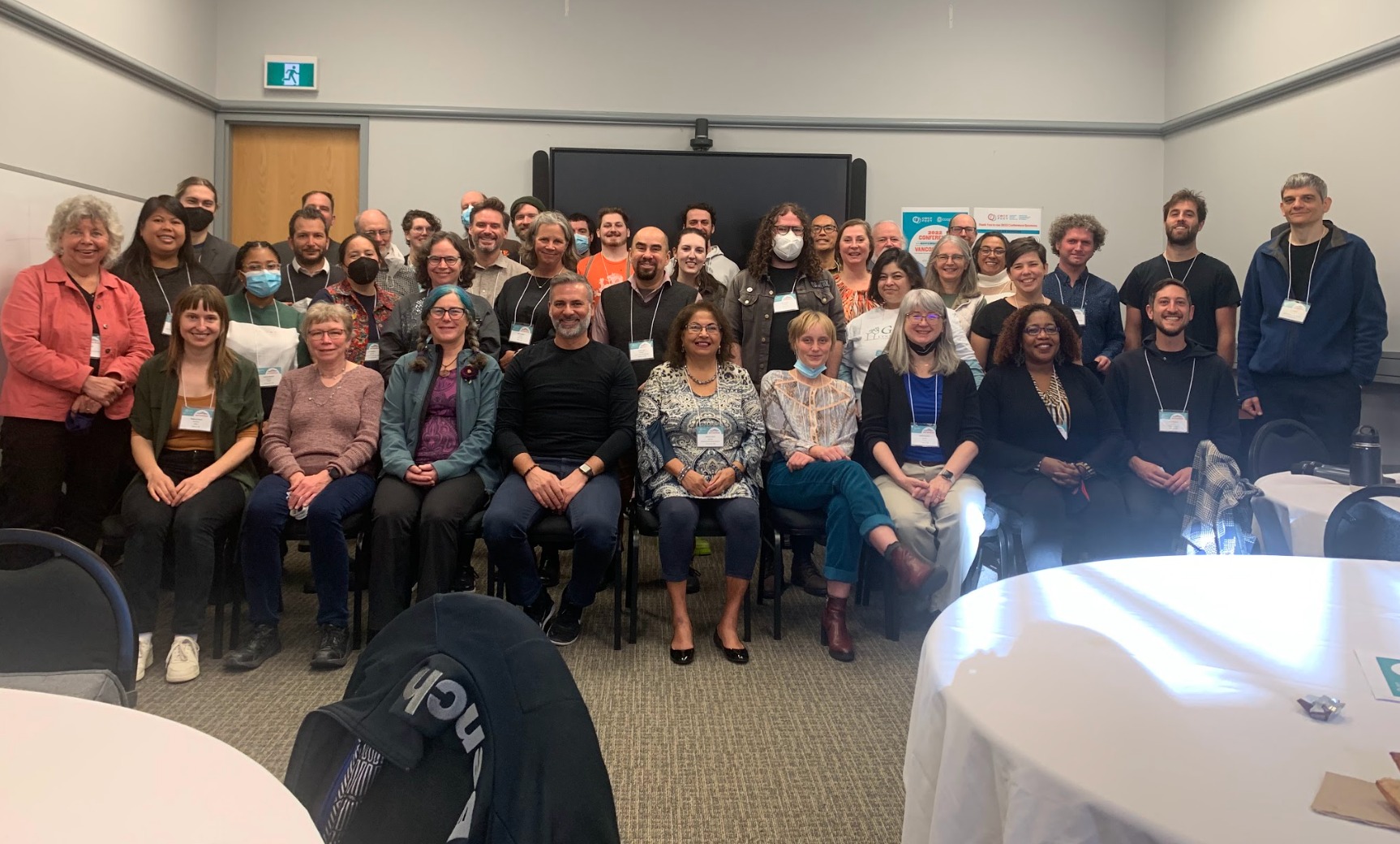
Incorporated in 1992, the Canadian Worker Co-operative Federation (CWCF) is a national, bilingual grassroots membership organization of and for worker co-operatives, related types of co-operatives (multi-stakeholder co-ops and worker-shareholder co-ops), and organizations that support the growth and development of worker co-operatives.
Their mission is to work with members to achieve their vision of a Co-operative Economy, support the development of new worker co-ops, strengthen the Federation by animating the worker co-operative movement, as well as represent and promote the movement in Canada and internationally.

Financial Products
CWCF deploys a diverse toolbox of investment programs, loan funds, grants and bursaries:
Common Good Capital: Enables co-operatives and similar types of enterprises, including non-profit organizations, to capitalize their ventures with securities held within Registered Plans such as Self-Directed Registered Retirement Savings Plan (SD-RRSP) and Self-Directed Tax-Free Savings Account (SD-TFSA). This allows investors to redirect retirement savings into community enterprises on a tax‑sheltered basis
Tenacity Works Fund: Provides loans over a 5-year term with a fixed interest rate of 4%-8%. The loans are usually placed as subordinate debt, so that the co-op has an increased chance of securing additional conventional financing. Occasionally it also provides a loan with a slightly higher than regular interest-only payments for an initial term of 1- 2 years to assist the co-op with its cash flow during the early period of the loan.
Why is the community capital needed?
CWCF and its financing arm, Common Good Capital (CGC), tackle several “missing‑middle” and equity‑related financing shortfalls in the Canadian worker‑co‑op sector, where traditional lenders often shy away from smaller, member‑owned enterprises with unconventional governance.
Early‑stage co‑ops often can’t afford specialized services like market analysis, governance structuring, or conflict‑resolution coaching, which the Technical Assistance Grant supports. Further, systemic barriers leave many BIPOC entrepreneurs under‑capitalized, so CWCF offers grants and bursaries to build leadership, governance, and technical skills in equity-denied communities.
By the numbers
In 2000, CWCF launched a $1.5 million pilot fund after years of lobbying. The fund exceeded expectations and, thanks to careful risk management, continues to provide loans of $15,000–$50,000 to worker co-ops, with about $500,000 still revolving today.